Understanding Condo Resort Revenue Management in BC

Why Revenue Management Matters for BC Condo Resorts

Condo resort revenue management is what turns busy travel seasons in British Columbia into steady, reliable income instead of a guessing game. If you own, invest in, or help run a condo-style resort, you already know how fast demand can shift in this province. One month you are full, the next you are wondering how to fill nights.

BC adds extra layers. There is ski-in, ski-out demand in the winter, lakes and golf in the summer, coastal escapes, and then long shoulder seasons where bookings slow right down. A simple rate card or one flat nightly price usually cannot keep up with that kind of change. That is where smart, ongoing revenue management comes in.

At Bellstar Hotels & Resorts, we focus on condo-style resorts, vacation rentals, and boutique hotels across Western Canada. We combine operations, marketing, and revenue management under one model, so pricing is not an afterthought, it is built into how the whole resort runs.

How Condo Resort Revenue Management Actually Works

Revenue management is about using data to sell the right unit, to the right guest, at the right price, on the right channel, at the right time. Instead of “set it and forget it” pricing, we treat every day like its own small puzzle.

We look at things like:

  • Booking pace, how quickly dates are filling compared to past years  

  • Seasonality, expected high, low, and shoulder periods  

  • Length of stay patterns, weekends, weeks, or longer visits  

  • Channel performance, direct bookings, online travel agencies, group business  

With those pieces, we can adjust prices, minimum stays, and promotions in real time. For example, if a spring weekend in the Okanagan is filling earlier than normal, that is a signal to increase rates and protect the last units for higher value guests. If midweek in early winter is slower, we might relax minimum stays and target remote workers or couples looking for a quieter break.

Segmentation is another big part of condo resort revenue management. Different types of guests have different needs and booking habits, like:

  • Families on school holidays  

  • Couples on weekend getaways  

  • Remote workers staying for a week or more  

  • Small groups or corporate retreats  

Instead of one generic rate for everyone, we shape offers around each segment. That could mean family packages around long weekends, midweek value for remote workers, or added perks for groups booking several units.

Behind all this is a tech stack that needs to work together. Condo resorts rely on:

  • A property management system to track inventory and reservations  

  • Revenue tools to monitor demand and suggest price changes  

  • Real-time market data to see what is happening in the wider area

  • Strong relationships with strategic tour and travel partners focused on delivering revenues during both need periods and maximizing revenues during peak periods 

When these systems are in sync, we get a clear picture of demand, and the front desk, marketing, and revenue teams are all working from the same playbook.

BC’s Seasonal Highs, Lows, and Shoulder Periods

BC is not a simple “high season and low season” story. Different resort areas see different peaks, even within the same month. Ski resorts in the Kootenays or the Okanagan live off winter powder days, while lake and golf resorts can feel like a different world in the middle of summer.

In practice, that affects things like:

  • Nightly rates and how quickly they move up or down  

  • Minimum stay rules on weekends, holidays, and peak weeks  

  • Which unit types are pushed first, studios, two bedrooms, or larger suites  

Smart condo resort revenue management fills the soft spots between peak periods. Spring and fall shoulder seasons can be great for couples, retirees, and workcations, even if families are not travelling as much. Midweek often needs its own strategy, with targeted offers for longer stays or remote workers who value space and a quiet setting.

There are also very practical issues to plan for, like wildfire season risk in parts of BC. In periods with compressed summer demand and higher chance of disruption, we pay extra attention to:

  • Flexible but clear cancellation and change policies  

  • Forecasting that factors in potential booking swings  

  • Communication that sets fair expectations for both guests and owners  

The goal is to protect revenue while staying fair to guests, so that when demand is strong, the resort is ready, and when plans change, there is a plan in place.

Balancing Owner Expectations and Guest Value

Condo-hotel and condo resort operations come with a special challenge. You do not have just one owner, you have many individual owners, each with their own goals. Some want maximum revenue, some care more about personal use, and others want a balance.

That is why clear revenue policies and regular reporting matter. Owners should be able to see:

  • Consistent financial statements for their unit  

  • How performance compares to the wider resort set  

  • How occupancy and average daily rate are trending over time  

We also think about protecting the long term value of the resort brand. Constant deep discounting might fill rooms in the short term, but it can hurt perception and attract the wrong kind of demand. Strong revenue strategies aim to:

  • Avoid “race to the bottom” pricing  

  • Align promotions with a premium guest experience  

  • Keep each unit competitively positioned within its category  

When we share data-driven recommendations, they often go beyond price. Small upgrades to a unit can support higher average daily rates, better reviews, and more repeat stays. Revenue management gives owners a clearer case for those decisions.

Bellstar’s Integrated Approach to Condo Resort Performance

At Bellstar Hotels & Resorts, we bring revenue management, marketing, and on-site operations together under one model. Because we manage condo-style properties across Western Canada, including in BC, we see patterns across different regions and guest types, and we feed that learning back into each resort.

Our integrated approach focuses on:

  • Capturing more direct bookings through aligned marketing and pricing  

  • Attracting higher value stays through targeted packages and offers  

  • Using operations feedback, like housekeeping and maintenance trends, to shape inventory strategies  

We pay close attention to BC tourism trends, major regional events, and travel corridors like Calgary to Canmore and into the BC Interior. Guests are changing how they travel, from work-from-anywhere stays to shorter, more frequent trips, and we tune revenue plans to match those habits.

Over time, a coordinated strategy can support:

  • Stronger RevPAR through better pricing and mix of business  

  • Healthier shoulder season occupancy instead of sharp drop-offs  

  • Less reliance on high-cost online travel agencies, by shifting the channel mix  

For condo resort stakeholders, that means more predictable performance and less guesswork, backed by systems, people, and local knowledge working together.

Increase Your Condo Resort’s Returns With Expert Guidance

If you are ready to boost your rental income while protecting your asset, our team can help you implement data-driven condo resort revenue management tailored to your property. At Bellstar Hotels & Resorts, we use local market insight and hospitality expertise to optimize occupancy, rates, and guest satisfaction. Reach out so we can review your current performance and identify practical steps to grow your returns. Have questions about next steps or partnership options? Simply contact us to start the conversation.

Is Hospitality Asset Management in Canada Right for Your Resort?

Is Hospitality Asset Management in Canada Right for Your Resort?

Choosing hospitality asset management in Canada is really about one thing: turning a resort that “does fine” into a property that performs to its full potential. You might have full parking lots on summer weekends, strong winter demand in the mountains, and solid online reviews, yet the profit and owner returns just do not match the effort going in.

In this article, we will look at what hospitality asset management actually is, how it is different from day-to-day hotel operations, and the signs that your Canadian resort might be ready for specialist support. We will also walk through how the right partner can grow revenue, lift guest satisfaction, and protect long-term value in a market shaped by seasonality, regional travel patterns, and tight labour pools.

What Hospitality Asset Management Actually Does for You

Hotel or resort management handles the day-to-day: check-ins, housekeeping, maintenance, staffing, guest service. Asset management sits above that. It asks if the strategy, performance, and long-term plan for the property are all working in the owner’s best interest.

A hospitality asset manager will typically focus on things like:

  • Benchmarking performance against similar resorts and markets  

  • Revenue and distribution strategy, including pricing and channel mix  

  • Capital planning for rooms, common areas, and amenities  

  • Brand and positioning strategy in your competitive set  

  • Owner and strata reporting that is clear and actionable  

This role is there to challenge assumptions. An asset manager will ask hard questions about management fees, cost structures, rate strategy, and brand decisions. They work to keep everyone aligned, so the operator, the brand, and the owners are all pulling in the same direction.

When that expertise is focused on Canadian resorts, it comes with an understanding of:

  • Destination trends in places like the Okanagan, the Rockies, and Vancouver Island  

  • The balance of domestic drive markets and international visitors  

  • Guest expectations around condo-style stays and vacation rentals  

  • The impact of local labour conditions on service levels and profitability  

For strata-led, independent, and branded resorts, this kind of guidance can be the difference between “getting by” and managing a true performing asset.

Is Your Resort Ready for Hospitality Asset Management in Canada?

Not every resort or vacation property needs asset management from day one. But there are clear signs that it may be time to bring in a specialist perspective.

Common “symptoms” include:

  • Flat or declining RevPAR even when your destination is busy  

  • Strong top-line revenue but weak or unpredictable profit  

  • Rising tensions between owners, strata councils, and the operator  

  • Amenities like pools, spas, or meeting spaces that bring little extra revenue  

Condo-style and strata-led resorts often face extra challenges. You may see fragmented ownership, with different owners making different choices about furniture, finishes, and upgrades. Unit standards might be uneven. What some owners want in their unit can be different from what guests will actually pay more for.

Seasonal Canadian destinations can also struggle with:

  • Heavy dependence on a short peak season  

  • Weak shoulder season strategy and limited packages  

  • Little focus on regional drive markets and repeat Canadian guests  

If your reporting is mostly historical, arrives late, or is hard to interpret, it becomes very difficult to make confident decisions about renovations, staffing, or repositioning. Asset management is often most helpful once a resort reaches the point where the questions feel bigger than the tools and time you have in-house.

How Asset Management Boosts Revenue and Guest Experience

A good hospitality asset management in Canada partner starts with data, but always connects it back to the guest experience on property. The goal is to align pricing, product, and service in a way that grows both profit and guest satisfaction.

On the revenue side, this can include:

  • Refining pricing for peak and shoulder seasons  

  • Adjusting channel mix to reduce overly expensive bookings  

  • Setting smarter length of stay rules around busy weekends and holidays  

  • Shaping inventory for different unit types and views  

With condo-style and vacation rental inventory, small changes can have a big impact. For example, focusing upgrades on the unit types that are most in demand, or that are easiest to sell at a higher rate, often delivers better returns than spreading capital evenly across all units.

Capital planning and guest experience are deeply linked. An asset manager will help you decide:

  • Which room or unit updates are most likely to justify higher ADR  

  • How to refresh lobbies and common areas to support your brand story  

  • Where to invest in technology that makes stays smoother and more seamless  

  • Which amenities and partnerships, like golf, spa, or local tours, actually build value  

Practical wins might include rethinking how you use meeting spaces in shoulder seasons, improving housekeeping standards and consistency in condo-style units, or packaging Canadian long weekends with smart add-ons that increase both rate and guest satisfaction.

The best results come when commercial goals and brand promise are in sync. Asset management keeps that balance in focus, so short-term revenue decisions do not erode long-term positioning.

Choosing the Right Canadian Asset Management Partner

Once you decide that hospitality asset management in Canada could help your resort, the next step is finding a partner that truly fits your property and ownership structure.

Key things to look for include:

  • Proven experience in Canadian resort destinations  

  • A track record with condo-style, vacation rental, and strata-led properties  

  • Integrated capabilities across operations, revenue, marketing, and owner relations  

  • A transparent fee structure that supports aligned incentives  

Local and regional insight also matters. You want a team that understands provincial regulations, tourism board relationships, and the nuances of domestic versus international travel patterns. A Western Canada-based specialist will naturally bring deep familiarity with mountain, lake, and coastal resort markets.

When you sit down for a discovery conversation, helpful questions to ask are:

  • How will you measure success in the first year?  

  • How do you support communication with individual owners and strata councils?  

  • How do your strategies differ for independent resorts compared with branded properties?  

  • What is your approach to capital planning and long-term asset value?  

  •  What are your key priorities when seeking a partnership? Are you looking for renovation and procurement expertise, strong sales and ecommerce proficiency or on site operational capability?

The goal is to confirm that your potential partner can act as a true steward of the asset, not just an extra layer of reporting.

Take the Next Step Toward a Higher Performing Resort

In the end, the key decision is whether to keep managing all of this complexity in-house, or to bring in a specialist hospitality asset management partner who is focused on protecting and growing long-term value. For many Canadian resorts, especially those with multiple owners and strong but uneven performance, that outside perspective is what finally unlocks the next level of return.

At Bellstar Hotels & Resorts, we focus on condo-style resort, vacation rental, and boutique hotel management across Western Canada and beyond, with integrated operations, revenue strategy, and owner support. For resort owners, strata councils, and investors, an honest look at profit, owner satisfaction, and guest feedback before the next peak season can reveal both quick wins and deeper opportunities to build a stronger, more resilient asset.

Strengthen Your Resort’s Long-Term Performance Today

If you are ready to unlock greater value and stability from your property, our team at Bellstar Hotels & Resorts is here to help. Explore how our tailored approach to hospitality asset management in Canada can improve operations, guest satisfaction and financial outcomes. We will work with you to assess your current position and design a clear roadmap for sustainable growth. To discuss your goals and potential next steps, please contact us.

Common Strata Vacation Rental Management Mistakes in BC

Avoid Costly Pitfalls in Strata Vacation Rentals

Strata vacation rentals in BC can be a great source of income for owners and councils. Popular destinations attract steady visitor demand, and condo-style resorts offer guests more space and comfort than a standard hotel room. When things run smoothly, everyone wins: owners, guests, and the strata community.

But these properties are not simple. Strata vacation rental management has more moving parts than a regular long-term rental. You are dealing with layered rules, shared spaces, and many different expectations. If one area is missed, problems can spread quickly across the whole building.

Our goal here is to walk through the most common mistakes we see in BC strata vacation rentals and explain how to avoid them. With the right approach, you can protect your property, keep peace in the building, and grow long-term returns.

Misreading BC Strata and Short-Term Rental Rules

One of the biggest risks in strata vacation rental management is getting the rules wrong. In BC, you are dealing with multiple layers of regulation that can affect how and when units can be rented.

Strata councils and owners need to watch three key pieces:

  • The BC Strata Property Act  

  • Municipal or regional short-term rental bylaws  

  • The strata corporation’s own bylaws and rules  

When these do not line up, trouble follows. Common issues include:

  • Allowing short-term rentals in a way that conflicts with local bylaws  

  • Setting bylaws that are unclear about minimum stay lengths  

  • Forgetting about changing rules on registration or licensing for rentals  

Another problem is the “set it and forget it” approach. A council passes bylaws once, then leaves them unchanged for years while provincial and municipal rules shift. This is especially risky in high-demand vacation areas where local governments keep adjusting short-term rental controls.

To reduce risk, it helps to:

  • Review strata bylaws on a regular schedule  

  • Check them against current municipal and provincial rules  

  • Make sure owners understand what is allowed and what is not  

  • Bring in professional guidance from people who focus on vacation rental operations  

Clear rules and regular reviews protect the building from fines, forced changes, and internal disputes.

Overlooking Owner Communication and Governance

Even with perfect bylaws, poor communication can undo good work. In a strata vacation rental setting, there are three main groups that need to stay aligned: the strata council, the property manager, the rental manager and individual owners.

When communication breaks down, you often see:

  • Confusion about when owners can use their units versus renting them  

  • Disputes over who gets peak summer weeks or popular holiday periods  

  • Disagreement over shared costs for upgrades that mostly benefit rental units  

Guests feel this too. If some owners follow one set of rules and others follow a different set, the guest experience becomes inconsistent. That can affect reviews, repeat stays, and overall revenue.

Good governance keeps everyone on the same page. Helpful tools include:

  • Regular owner updates with clear, plain-language reporting  

  • A simple governance framework that explains how decisions are made  

  • Defined policies on owner stays, blackout dates, and booking priority  

  • Standard rules for noise, pets, parking, and amenity use that apply to all guests  

When owners trust the system and feel informed, they are more likely to support long-term decisions that protect both revenue and community harmony.

Treating Strata Vacation Rentals Like Standard Condos

Another common mistake is treating a vacation rental building like a typical condo complex. While the physical units might look similar, the guest expectations are very different.

If a strata runs the building like a standard condo, you often see:

  • Limited or inconsistent housekeeping between guests  

  • Slow response times on maintenance or guest issues  

  • Confusing or awkward check-in and check-out processes  

  • Shared amenities, like pools or hot tubs, not ready for higher guest traffic  

Vacation guests expect a hospitality-level experience. That means:

  • Professional housekeeping standards between every stay  

  • Quick and reliable maintenance, especially for things like hot water, heating, and internet  

  • Clear, friendly check-in systems, whether on-site or virtual  

  • Thoughtful management of amenities during busy times  

One of the best ways to support this is to think in terms of integrated operations. Instead of having separate, ad hoc contracts for front desk, reservations, housekeeping, and maintenance, bring these pieces together. When one team oversees the whole guest journey, it is easier to spot gaps, fix issues, and keep standards consistent.

Ignoring Revenue Management and Seasonality

Many strata vacation rental owners set their rates based on what their neighbor is charging or pick one rate and stick with it all year. This simple approach often leaves money on the table.

Guest demand in Western Canada is not the same every week. Weather, events, school breaks, and travel trends all affect how many people are looking for a place to stay and what they are willing to pay. Effective revenue management looks at these patterns and adjusts pricing and rules to match.

Key tools include:

  • Demand forecasting across peak, shoulder, and low seasons  

  • Dynamic pricing that adjusts based on demand and booking pace  

  • Minimum stay rules during busy periods to avoid gaps  

  • Smart channel management across booking platforms  

Data is central to this. Over time, a strata can track:

  • Occupancy  

  • average daily rate (ADR)  

  • Revenue Per Available Room (RevPAR)  

  • Owner return on investment  

With this information, councils and owners can make better decisions about upgrades, amenity changes, and long-term strategy.

Underestimating Wear, Tear, and Guest Risk

High-traffic resort environments face harder and faster wear and tear than standard residential buildings. Strata councils sometimes underestimate this and set budgets that are too low, which can lead to surprise costs after a busy period.

Common pressure points include:

  • Flooring, carpets, and paint in common areas 

  • Hot tubs, pools, and fitness equipment  

  • Parking areas, hallways, and elevators  

To keep the property in good shape, it helps to have:

  • A preventive maintenance plan with regular checks and scheduled work  

  • Clear guest rules on noise, smoking, pets, and maximum occupancy  

  • Consistent enforcement so owners and guests take the rules seriously  

Guest risk is not only about damage. It also includes safety and liability. A thoughtful risk management approach will cover:

  • Appropriate insurance coverage for short-term rental activity  

  • Security protocols that match the building’s layout and location  

  • Simple incident response steps aligned with strata bylaws  

When these pieces are in place, the building is better protected, and guests feel safer and more comfortable.

Turning Common Mistakes Into Long-Term Wins

Strata vacation rental management is complex, but the most common problems are often predictable. Councils and owners can start by honestly reviewing their current setup against the issues above. Are bylaws current? Is communication clear? Are guest standards and pricing strategies where they need to be?

In many cases, condo-style resorts benefit from partnering with a specialist that understands both hospitality operations and strata-led properties in Western Canada. By bringing together operations, compliance, owner communication, and revenue management, strata communities can turn common mistakes into long-term wins for everyone involved.

Maximize Your Strata’s Rental Revenue With Expert Support

If your ownership group is ready to reduce stress and improve returns, Bellstar Hotels & Resorts can help you put a proven strategy in place. Explore our comprehensive strata vacation rental management solutions tailored to your property’s unique needs. We will walk you through performance expectations, owner communication, and guest experience standards so you can move forward with confidence. Have questions about getting started or next steps for your board or council? Contact us and we will respond promptly.

Bellstar Donates $15,000 to Support Families in Tumbler Ridge

We extend our deepest condolences to the families who have lost loved ones, to those who have been injured, to the students and staff of Tumbler Ridge Secondary School, and to the entire community affected.

As a hospitality organization with deep roots in British Columbia, we are holding the people of Tumbler Ridge and the Peace Region in our thoughts. We are also grateful to the first responders and community members supporting one another during this devastating time.

Over the Family Day long weekend, Bellstar donated $15,000 to the Tumbler Ridge Parent Advisory Committee (PAC). The funds will be distributed directly to families who have been affected, helping to cover unexpected expenses, support daily needs, and assist with ongoing recovery efforts.

For those who wish to provide additional support, donations can be made directly through:

Lake View Credit Union (via e-transfer)
https://www.lakeviewcreditunion.com/

Tumbler Ridge Strong GoFundMe
https://www.gofundme.com/f/tumbler-ridge-strong

We recognize that events like this deeply affect individuals and communities. Mental health resources are available through provincial and national services, including:

  • Talk Suicide Canada: 1-833-456-4566

  • Crisis Services Canada: 1-833-456-4566 (24/7)

  • BC Mental Health Support Line: 310-6789 (no area code required in BC)

Bellstar remains committed to supporting the communities where we live and work, especially in times of hardship.

Bellstar Hotels & Resorts: A Year of Standout Media Coverage in 2025

2025 marked a highly successful year for Bellstar Hotels & Resorts, with meaningful media coverage secured across Canada through strategic familiarization (FAM) tours, hosted stays, and strong collaborations with destination marketing organizations. By welcoming journalists, broadcasters, and influencers to experience our properties firsthand, Bellstar reinforced each hotel’s unique sense of place while amplifying brand visibility on both a national and regional stage.

The Beach Club Resort: A Celebrated Coastal Destination

The Beach Club Resort enjoyed an exceptional year in earned media, reinforcing its identity as a premier coastal destination. Parksville was spotlighted as a top Canadian destination by respected travel writer Jody Robbins, with The Beach Club positioned at the heart of the experience.

The resort also garnered widespread attention for its commitment to sustainability and local partnerships through a World Ocean’s Day event, paired with a hosted familiarization tour. This initiative generated coverage across a broad mix of national and regional outlets, including vacay.ca, CTV Morning Live, BC Living, and VITA Magazine, delivering both print and broadcast exposure.

Further elevating the property’s profile, The Beach Club Resort was featured by award-winning travel writer Debbie Olsen, as well as Bea Broda, star of Amazon Prime’s Outta Town Adventures, reinforcing the resort’s appeal to experiential and lifestyle-focused travellers.

The Royal Kelowna: Year-Round Luxury in the Okanagan

At The Royal Kelowna, 2025 media efforts focused on positioning the property as a year-round luxury hub for Okanagan experiences, anchored in golf, wellness, culinary, and lifestyle travel. Through carefully curated hosted media trips, the property secured coverage in prominent outlets including The Weather Network, Vanish Magazine, Postmedia, The Cut Golf Magazine, Life’s Incredible Journey, The Travel Addict, and Food Wine Travel Magazine.

These stories showcased The Royal Kelowna as the ideal home base for both active and restorative travel, supported by collaborative partnerships with WestJet, Tourism Kelowna, Thompson Okanagan Tourism, and a network of local business partners that helped bring authentic, experience-led storytelling to life.

Kicking Horse Lodging: Powder Highway Exposure

Kicking Horse Lodging also benefited from strategic media hosting in collaboration with Destination BC and Tourism Golden. As part of the Destination BC Powder Highway group press trip in January, travel writer Tim Wenger visited Kicking Horse Lodging and later published a Powder Highway feature on Matador Network, extending the property’s reach to a global adventure travel audience.

In addition, Kicking Horse Lodging hosted influencers including Travelatearth, further amplifying awareness through social storytelling in partnership with Tourism Golden.

Across all properties, Bellstar’s 2025 media coverage strengthened brand visibility, reinforced destination identity, and highlighted the experiences, partnerships, and values that define our hotels. Setting the stage for continued growth and storytelling in the years ahead.


The Royal Kelowna Gives Back

Bellstar Hotels & Resorts was proud to take part in the Hospitality with Heart campaign this June in support of the BC Hospitality Foundation.

Throughout the month, we donated $2.50 from every room night booked at The Royal Kelowna, successfully raising $2,500 to support hospitality and tourism workers facing financial hardship due to medical conditions.

The BCHF has provided over $1.25 million in assistance to 319 individuals across BC, and we were honoured to contribute to this important work.

Thanks to our guests, stays at The Royal Kelowna this June went beyond Okanagan lakefront luxury—they helped support the people who make BC’s hospitality industry what it is.

Thank you for giving back to an industry that’s always been there for us.

Bellstar Hotels & Resorts is Proud to Donate to Jasper Evacuee Relief

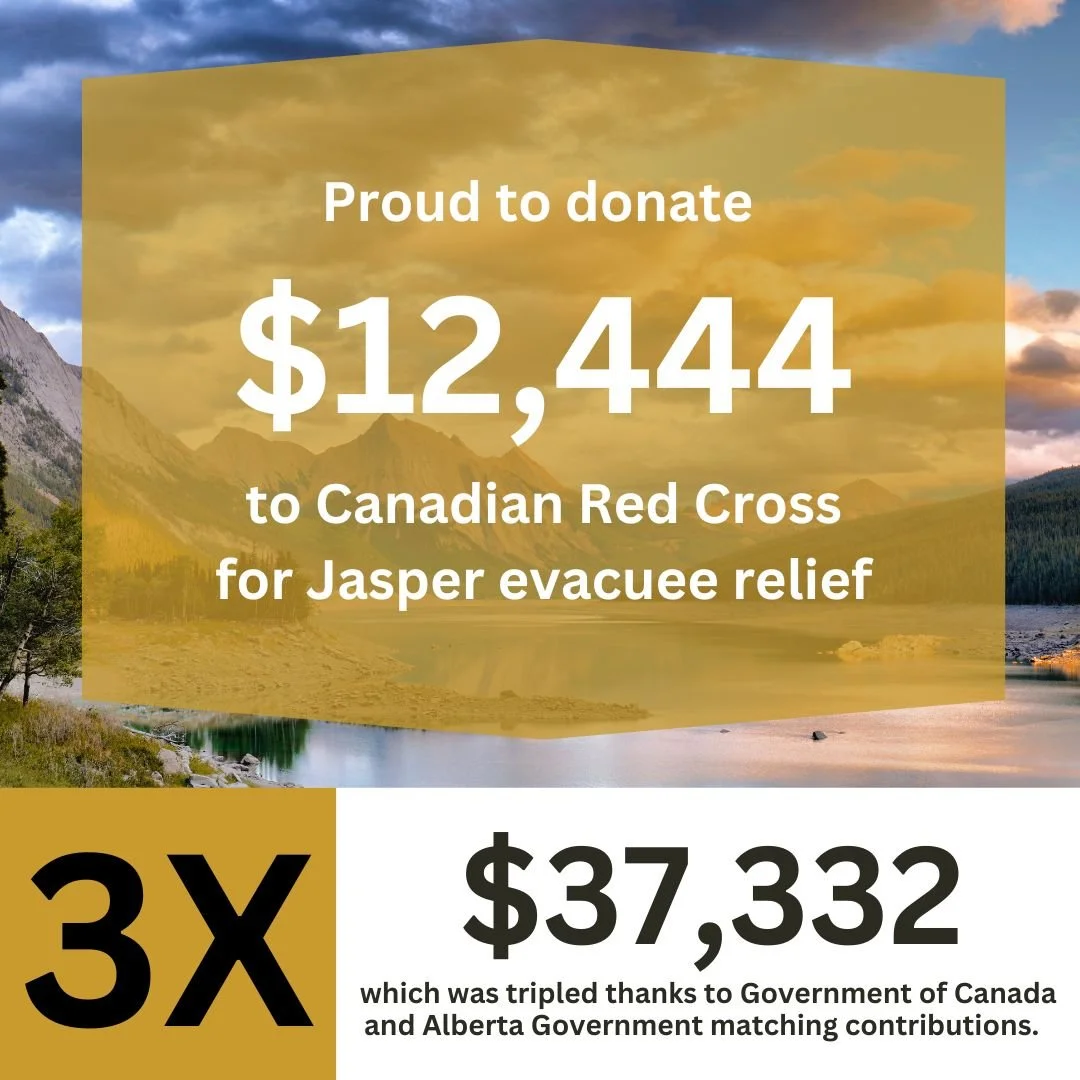
In response to the devastation caused by the Jasper wildfires, Bellstar has proudly donated $12,444 to the Canadian Red Cross to support evacuee relief efforts. These proceeds, collected from our HSEF from August 3rd-5th, will be tripled by the Alberta Government, bringing our total contribution to $37,332! We stand with our neighbouring community in their time of need and are committed to helping them recover and rebuild.

Bellstar Hotels & Resorts Supports BC Wildfire Relief

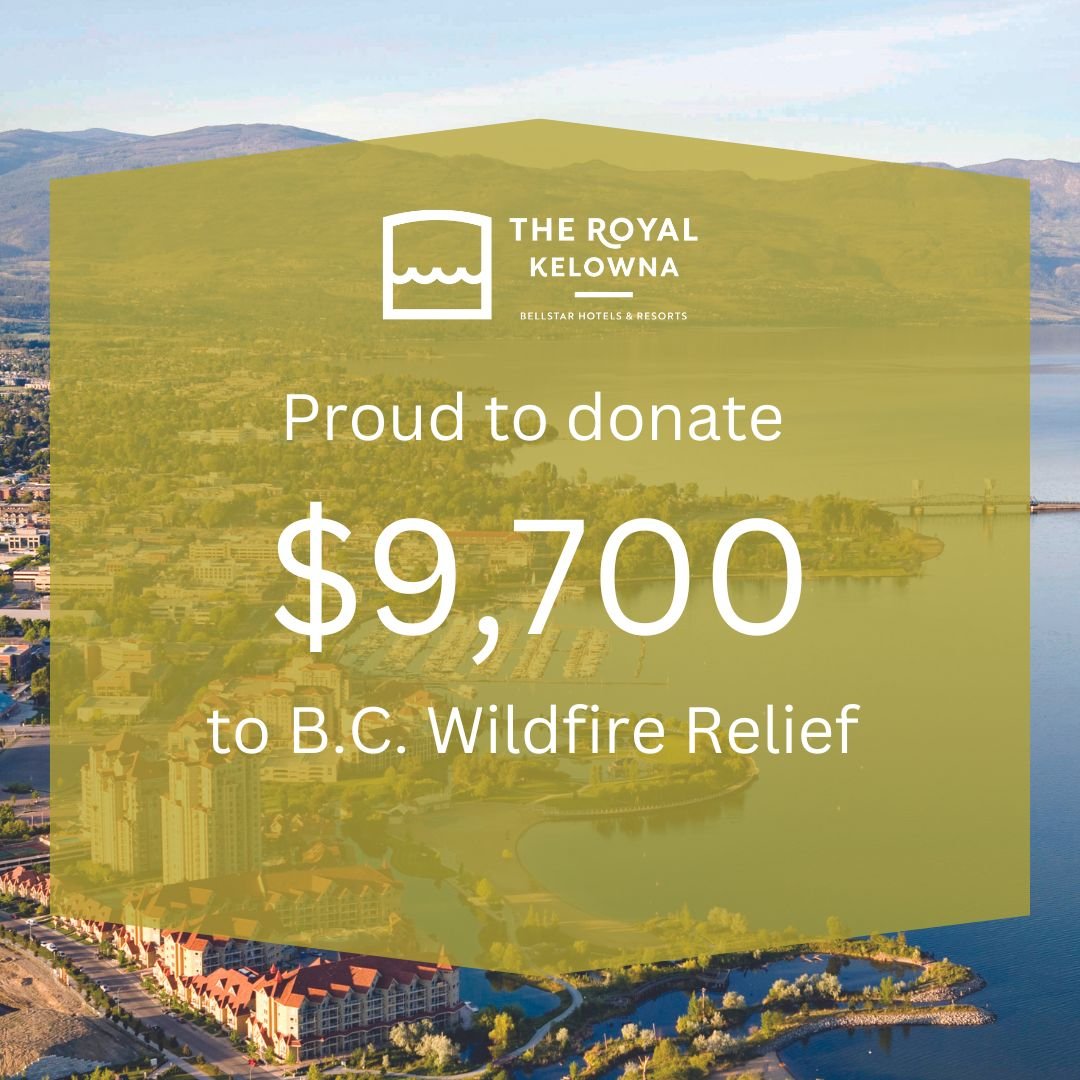
In response to the wildfires that occurred across British Columbia this summer, and especially the McDougall Creek wildfire that affected our own community we’re proud to say that as a company, Bellstar was able to donate $9,700 through the Canadian Red Cross for wildfire relief. Thank you to the incredible emergency response personnel for their tireless work during this time.